








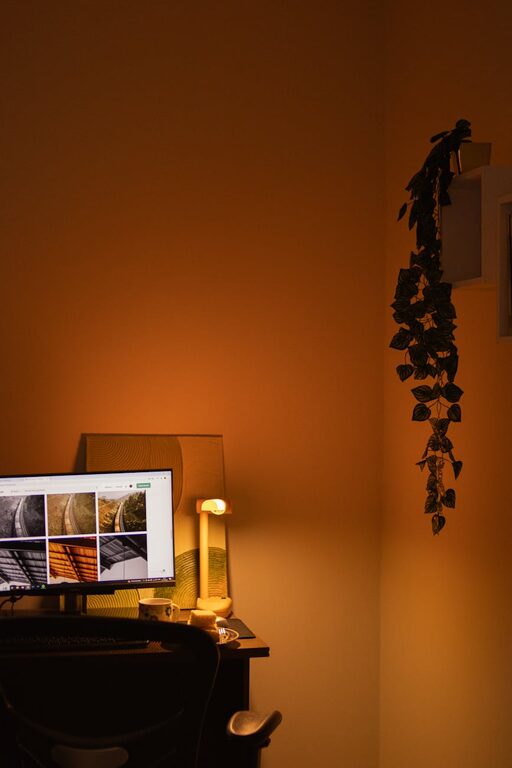
Creating a productive home workspace that suits your lifestyle is essential for maintaining focus and motivation, especially if you work remotely or spend extended hours at home. A thoughtfully arranged workspace can boost your efficiency, reduce distractions, and improve your overall well-being. Here are some practical tips to help you set up a home office that works for you.
Choose the Right Location
Your workspace’s location sets the foundation for your productivity. Consider the following when deciding where to set up:
– Quiet and Low Traffic: Pick a spot away from high-traffic areas like the kitchen or living room to reduce noise and interruptions.
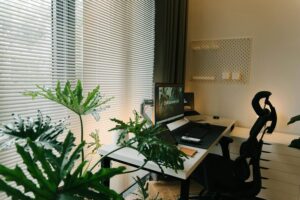
– Natural Light: Position your desk near a window if possible. Natural light improves mood and reduces eye strain.
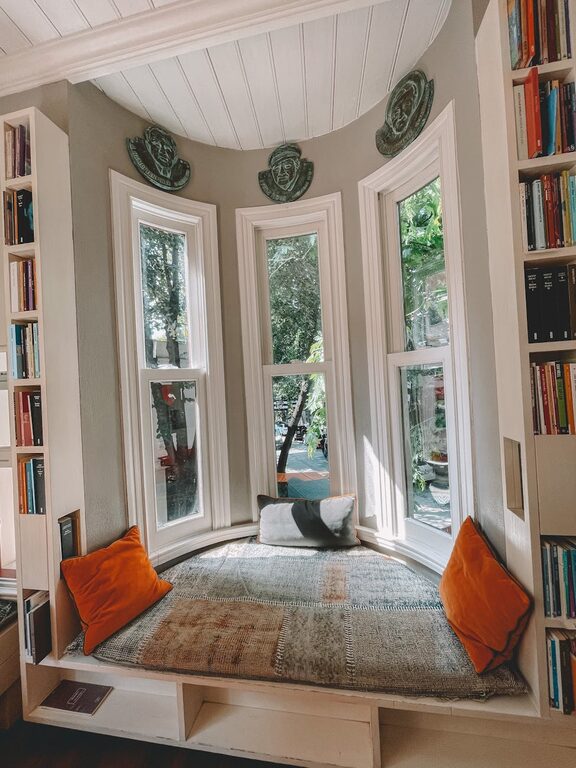
– Space Availability: Ensure there is enough room for your essentials such as a desk, chair, and storage without feeling cramped.
If space is limited, even a corner of a room or a dedicated nook can work well with good organisation.
Invest in Comfortable and Functional Furniture
Ergonomics play a vital role in your comfort and health during long working hours.
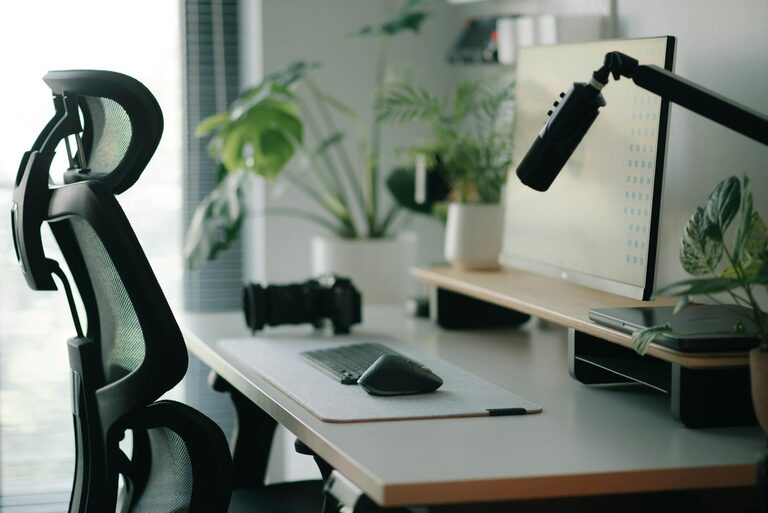
– Chair: Choose an ergonomic chair with adjustable height and lumbar support.
– Desk: Your desk should fit your needs, with enough surface area for your computer, notebooks, and other tools.
– Monitor Setup: Position screens at eye level to avoid neck strain.
Comfortable furniture helps prevent fatigue and promotes better posture, enabling you to focus longer.
Personalise Your Space
Your workspace should reflect your personality and make you feel inspired.
– Colours: Use colours that energise or calm you, such as soft blues or light greens.
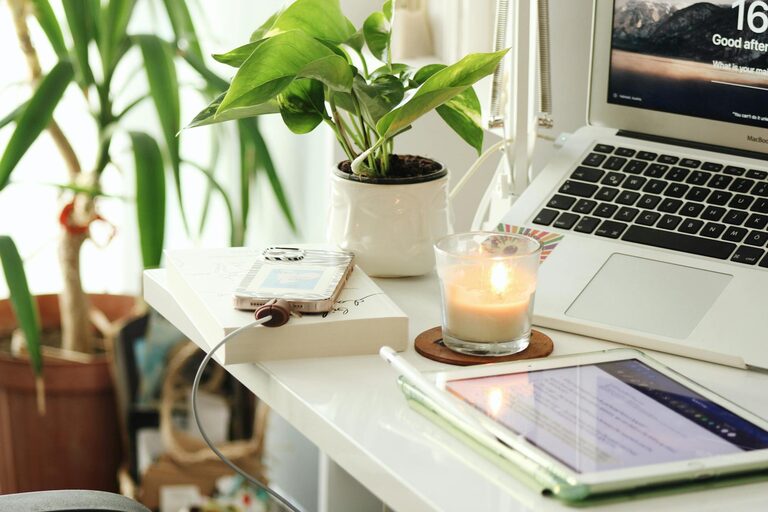
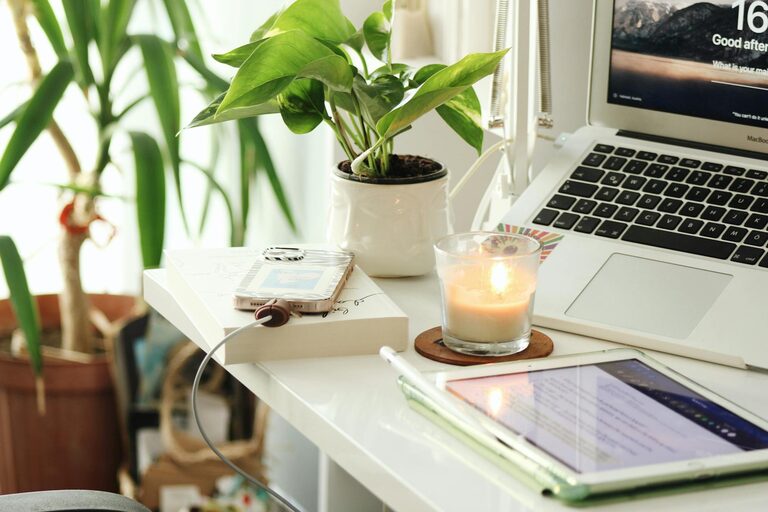
– Decor: Add plants, artwork, or photos that motivate you without causing distractions.
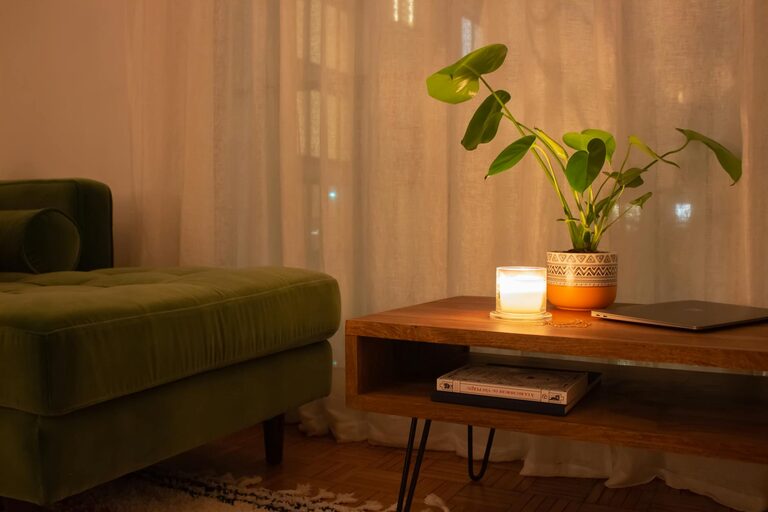
– Lighting: Apart from natural light, use adjustable lamps with warm or daylight bulbs.
A personalised space makes working from home more enjoyable and less like a chore.
Organise Your Workspace Efficiently
Organisation is key to maintaining productivity and reducing stress.
– Declutter: Keep only what you need on your desk to avoid distractions.
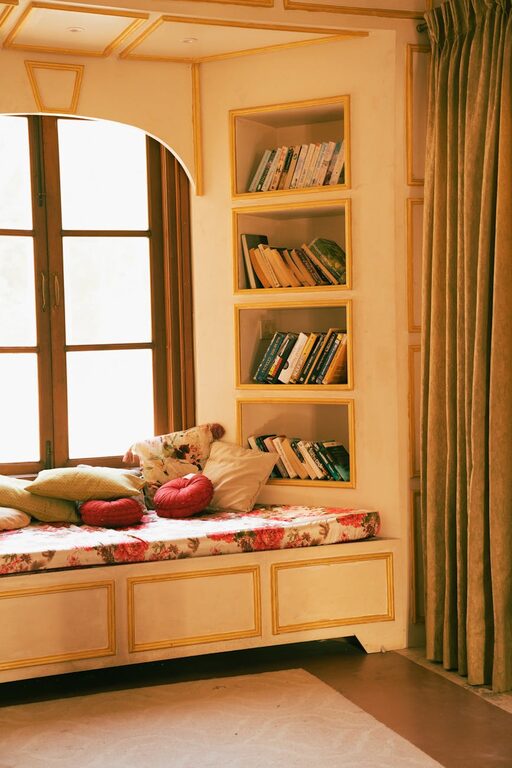
– Storage Solutions: Use shelves, drawers, or organisers to keep supplies tidy.
– Cable Management: Tidy cables with clips or covers to create a neat appearance.
Regularly tidying your workspace can help maintain focus and efficiency throughout your day.
Manage Technology and Tools Wisely
The right tech setup can make your work smoother and less frustrating.
– Reliable Internet: Ensure your connection is fast and stable.
– Peripherals: Use quality keyboards, mice, and headsets tailored to your needs.
– Software: Keep essential apps up to date and organised.
Streamlined technology reduces downtime and supports a seamless workflow.
Set Boundaries and Work Schedule
Creating a dedicated workspace helps establish boundaries both physically and mentally.
– Designate Work Hours: Stick to a consistent schedule to separate work time from personal time.
– Communicate Boundaries: Let family or housemates know your work hours to minimise interruptions.
– Breaks: Plan regular breaks to stretch and refresh, helping maintain productivity.
Structured routines help you stay disciplined and avoid burnout.
Adapt Your Space to Your Lifestyle
Every lifestyle is different, and your workspace should suit how you live and work.
– For Parents: Consider childcare-friendly layouts or flexible spaces where you can keep an eye on children.
– For Creatives: Incorporate inspiration boards and materials storage.
– For Tech Professionals: Prioritise multiple monitors and desk space.
Regularly reassess your workspace and make changes as your needs evolve.
Maintain Good Air Quality and Temperature
Comfortable air quality and temperature influence your concentration.
– Ventilation: Ensure your space has fresh air circulation.
– Temperature Control: Maintain a comfortable room temperature, using fans or heaters if necessary.
– Plants: Incorporate indoor plants to improve air quality and add a calming atmosphere.
Good environmental conditions support alertness and well-being during work hours.
Incorporate Movement Into Your Routine
Sitting for prolonged periods can negatively affect health and concentration.
– Standing Desk Options: Use adjustable desks to alternate between sitting and standing.
– Stretching: Include stretches or light exercises during breaks.
– Walks: Take short walks to refresh your mind.
Including movement in your day can increase energy and productivity.
—
By following these tips, you can create a home workspace that not only boosts productivity but also fits your personal lifestyle. Remember, the key is to tailor your environment so it supports your work habits and promotes your comfort. A well-designed home workspace can transform how you approach your daily tasks and help maintain a healthy work-life balance.