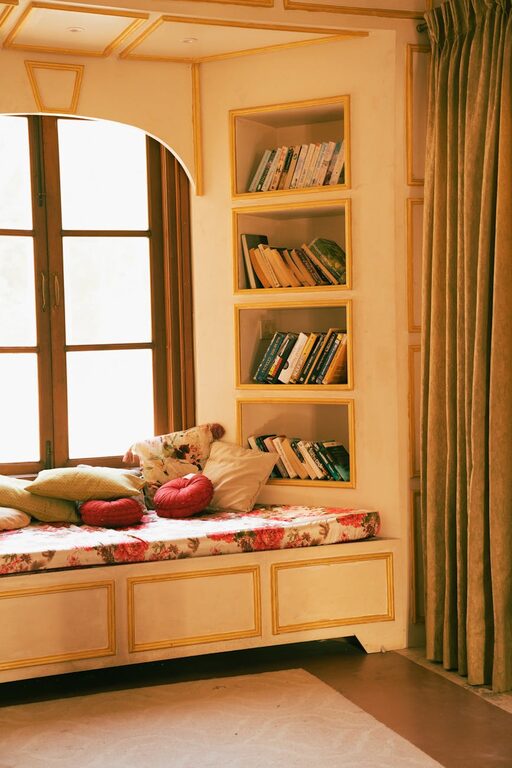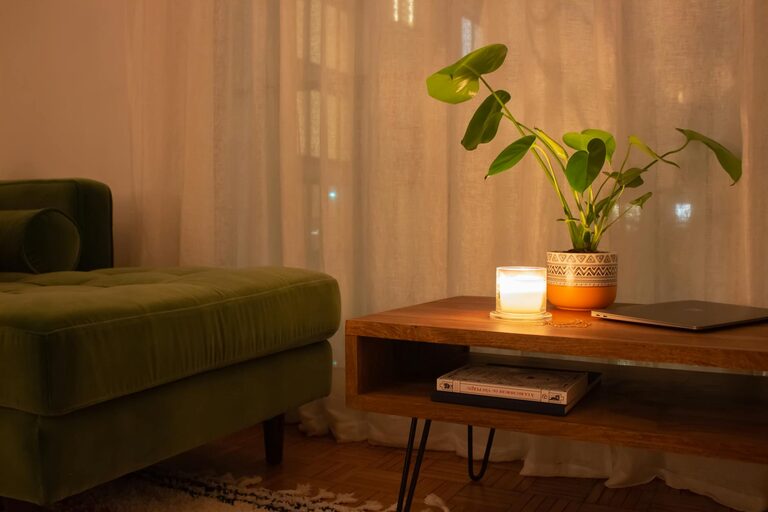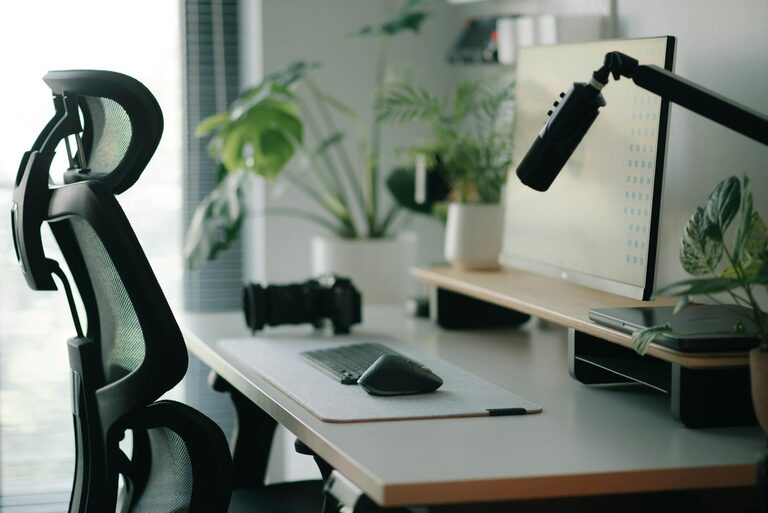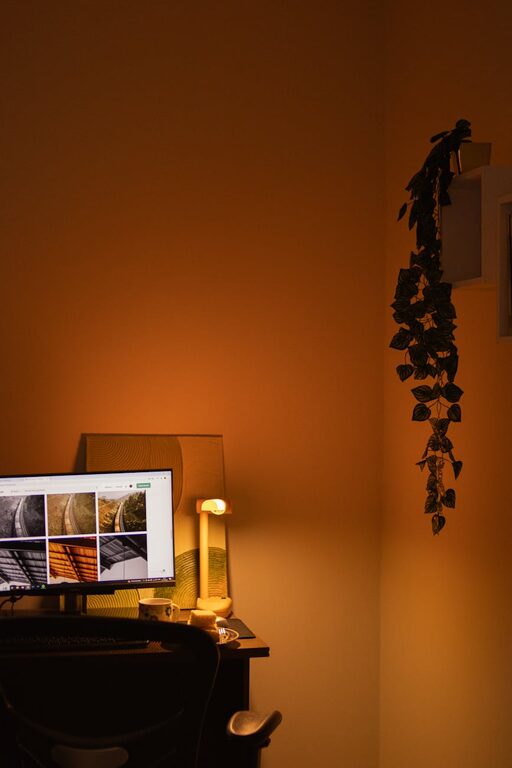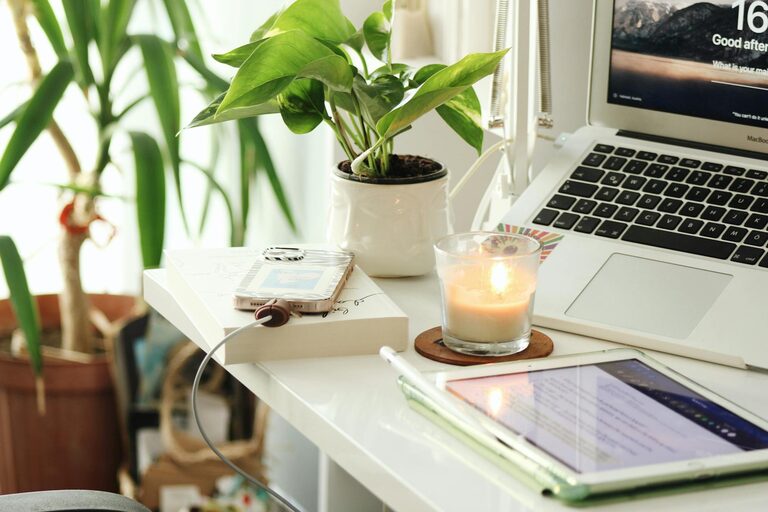









Working from home has become increasingly common, and setting up a productive home office space can make a huge difference to your workday. Without the usual office environment, it’s essential to create a dedicated area that encourages focus, comfort, and efficiency. Whether you have a spare room, a corner in the living room, or a nook under the stairs, these tips will help you design a workspace that works for you.
1. Choose the Right Location
The first step to a productive home office is choosing a suitable location. Consider these factors to find the best spot:
– Minimise distractions: Pick a quiet area away from household noise or high-traffic zones.
– Natural light: Try to position your desk near a window to benefit from daylight, which can improve mood and alertness.
– Space needs: Ensure there’s enough room for your desk, chair, and essential equipment, with room to move comfortably.
If possible, avoid working in your bedroom or on the sofa, as this can blur the lines between work and relaxation.
2. Invest in Ergonomic Furniture
Comfort is key when working for long hours. Ergonomic furniture supports good posture and reduces strain:
– Adjustable office chair: Look for one with proper lumbar support and adjustable height.
– Desk height: Choose a desk at elbow height when seated; adjustable desks can allow for standing breaks.
– Keyboard and mouse positioning: Keep them at a comfortable height to avoid wrist strain.
Taking care of your body while working will boost your energy and help prevent discomfort.
3. Organise and Declutter Your Space
A tidy workspace supports a clearer mind and better focus. To stay organised:
– Storage solutions: Use shelves, filing cabinets, or desk organisers to keep documents and stationery in order.
– Cable management: Use clips or cable boxes to prevent cords from tangling and creating a mess.
– Daily tidying: Spend a few minutes at the end of each day clearing your desk to start fresh the next morning.
Limiting clutter also helps reduce distractions and makes it easier to find what you need quickly.
4. Utilise Good Lighting
Lighting plays an important role in eye comfort and alertness:
– Natural light: Maximise daylight exposure but avoid glare on your computer screen.
– Task lighting: Use an adjustable desk lamp to provide focused illumination for reading or paperwork.
– Ambient light: Combine overhead lighting with softer lamps to reduce eye strain.
Choosing the right lighting setup can improve your workspace’s overall comfort and atmosphere.
5. Personalise Your Workspace
Adding a touch of personality can make your home office feel more inviting:
– Decor: Include a few pictures, plants, or inspiring quotes that motivate you.
– Colour scheme: Choose calming colours, such as blues or greens, which help concentration.
– Comfort items: Keep a cosy cushion or a favourite mug nearby to add comfort and familiarity.
Personalising your space helps create an environment you want to spend time in.
6. Set Clear Boundaries
Working from home can blur the line between professional and personal life. Setting boundaries is crucial:
– Designated work hours: Stick to a schedule, signalling the start and end of your workday.
– Separate area: Use the home office space only for work to mentally separate your day.
– Communicate: Let household members know your work times to minimise interruptions.
Clear boundaries will help you maintain work-life balance and improve focus.
7. Equip Your Office with Essentials
Having all the necessary tools within reach reduces frustration and wasted time:
– Reliable internet connection: Ensure fast and stable Wi-Fi for smooth video calls and online work.
– Quality technology: Use a good computer, monitor, keyboard, and headset as needed.
– Office supplies: Stock up on pens, notebooks, printer ink, and other items you frequently use.
Being well-equipped supports uninterrupted workflow and keeps you productive.
8. Incorporate Breaks and Movement
To stay productive throughout the day, remember to take breaks:
– Regular intervals: Follow techniques like the Pomodoro method (25 minutes work, 5-minute break).
– Physical activity: Stretch, walk around, or do light exercises to reduce stiffness and boost energy.
– Change scenery: Step outside or move to a different room to refresh your mind.
Short breaks help prevent burnout and improve concentration over time.
—
Creating a productive home office space is all about combining comfort, organisation, and focus. By selecting the right location, investing in ergonomic furniture, managing clutter, and setting boundaries, you can build a workspace that supports your best work. Remember, consistency and small improvements will lead to lasting results in your home working life.