








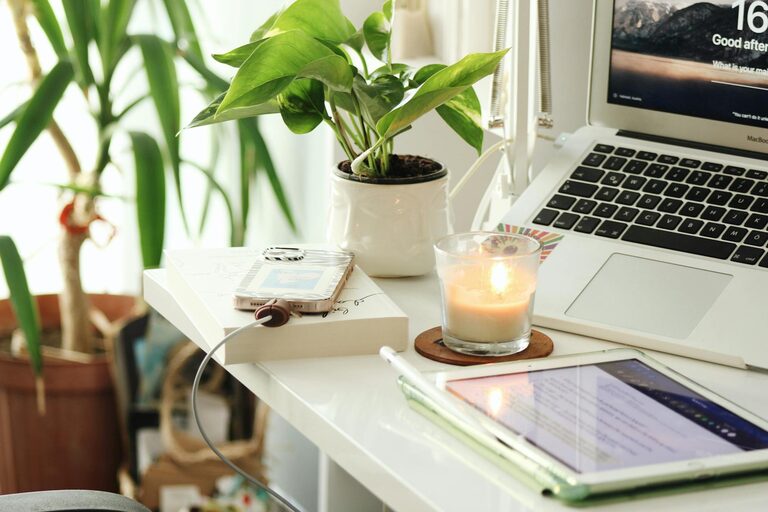
Setting up a home office that balances productivity with relaxation can make a significant difference to your workday. Whether you’re working remotely full-time or just need a dedicated space for occasional tasks, a well-designed workspace helps you stay focused and reduces stress. Here are some practical tips to help you create a home office environment that’s both calming and effective.
Choose the Right Location
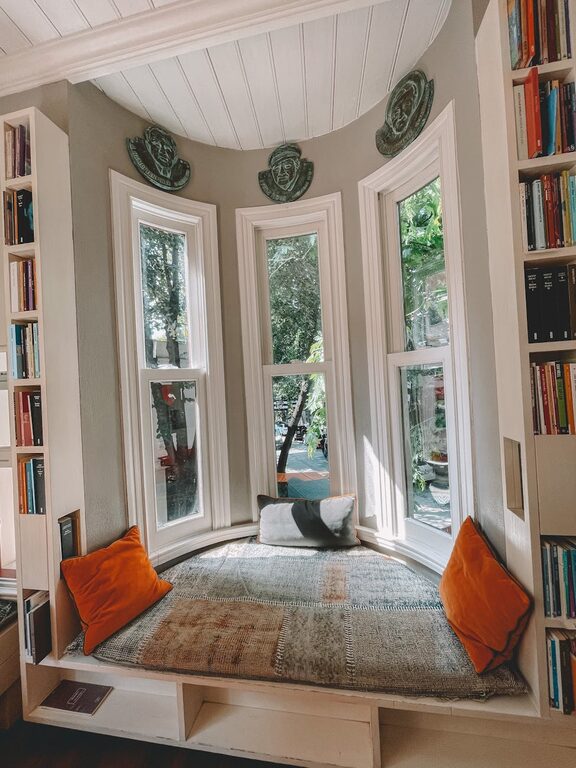
Pick a Quiet Spot
Select a part of your home where you can work without constant distractions. This might be a spare room, a quiet corner of the living room, or even a nook near a window. Avoid high-traffic areas where interruptions are frequent.
Consider Natural Light
Natural light can improve mood and productivity. Try to position your desk near a window to benefit from daylight. If that’s not possible, invest in good-quality desk lamps or adjustable lighting that mimics natural light.
Invest in Comfortable Furniture
Ergonomic Chair and Desk
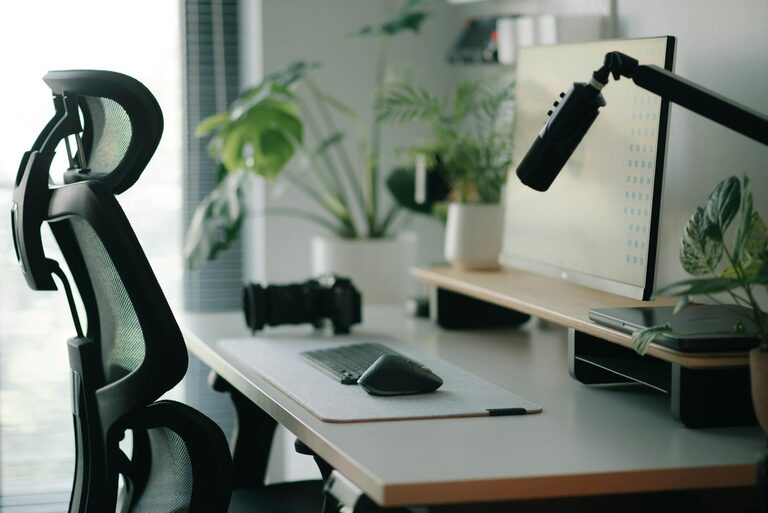
Investing in a chair that supports good posture is essential. Look for adjustable chairs with lumbar support to avoid back strain. A desk at the right height encourages natural sitting posture and helps reduce fatigue.
Arrange for Flexibility
Consider a sit-stand desk or a setup that allows you to switch between sitting and standing throughout the day. This can boost circulation and keep energy levels up.
Keep Your Space Organised
Declutter Regularly
A tidy workspace limits distractions and helps your mind focus. Use storage solutions such as shelves, filing cabinets, and desk organisers to keep paperwork and supplies off your desk.
Create Zones
If your space allows, create dedicated zones for different tasks. For example, one part for computer work, another for meetings or reading. This physical separation helps your brain switch focus efficiently.
Pay Attention to Colours and Décor
Choose Calming Colours
Soft, neutral colours like light blues, greens, and greys promote calmness and focus. Avoid overly bright or warm shades that might cause agitation or fatigue.
Add Personal Touches
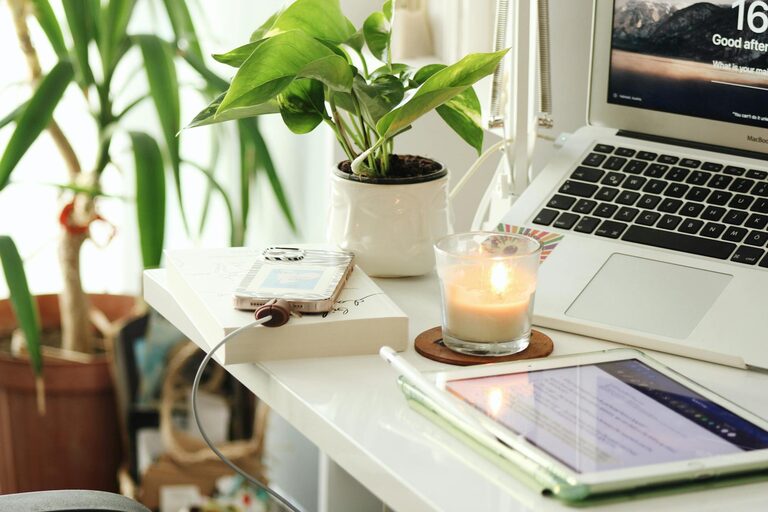
Incorporate items that make you feel comfortable and happy—photos, plants, or artworks. A little greenery can reduce stress and improve air quality.
Optimise Lighting and Noise Levels
Layer Your Lighting
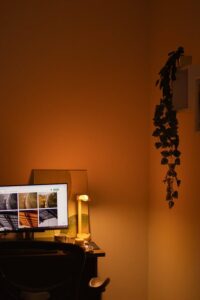
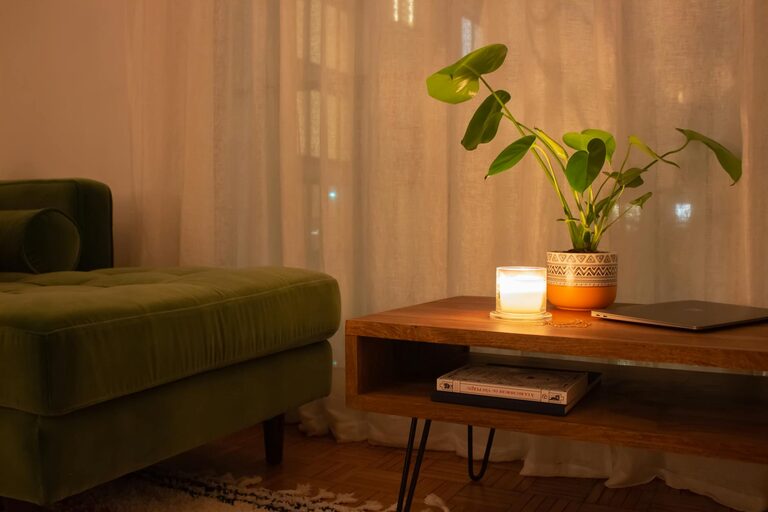
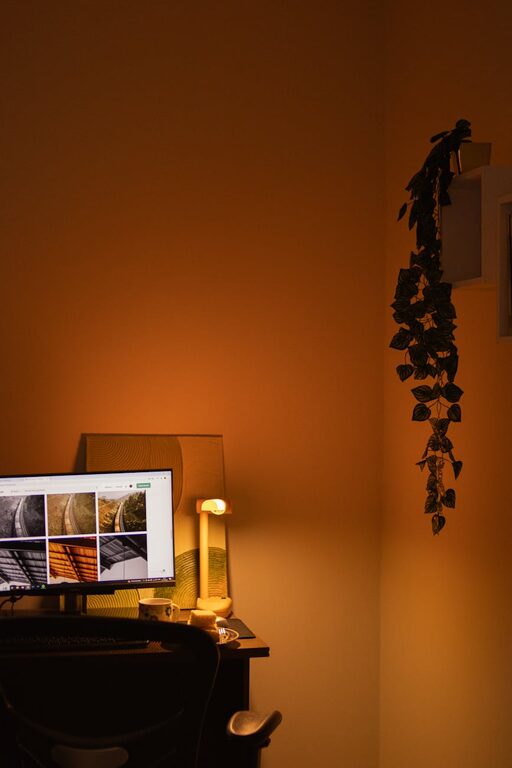
Use a combination of ambient, task, and accent lighting. For example, ceiling lights provide general illumination, desk lamps focus on work areas, and soft accent lights create a cosy atmosphere.
Manage Noise
If outside noise distracts you, consider noise-cancelling headphones or white noise machines. Alternatively, playing gentle instrumental music can help maintain concentration.
Technology and Connectivity
Reliable Internet and Equipment
Ensure you have a stable internet connection and reliable devices. A slow connection or malfunctioning hardware can cause frustration and disrupt your workflow.
Cable Management
Keep wires and cables organised using clips, ties, or trays. A neat setup reduces clutter and the chance of accidents.
Develop a Routine and Boundaries
Set Working Hours
Define clear working hours to separate professional time from personal life. This boundary helps prevent burnout and encourages productivity during work hours.
Take Breaks
Schedule short breaks to stretch, rest your eyes, or have a drink. Regular breaks refresh your mind and improve long-term focus.
Incorporate Wellness Elements
Movement and Stretching
Keep some space for quick stretches or small exercises. Sitting for long periods isn’t ideal, so moving regularly supports your physical and mental wellbeing.
Hydration and Snacks
Keep water nearby and healthy snacks within reach to maintain energy levels without unnecessary interruptions.
—
Creating a home office that is both productive and relaxing doesn’t have to be complicated or expensive. By focusing on comfort, organisation, lighting, and personalisation, you can craft a space where work feels less like a chore and more like a positive experience. With these tips, you’re well on your way to a better work-from-home routine.